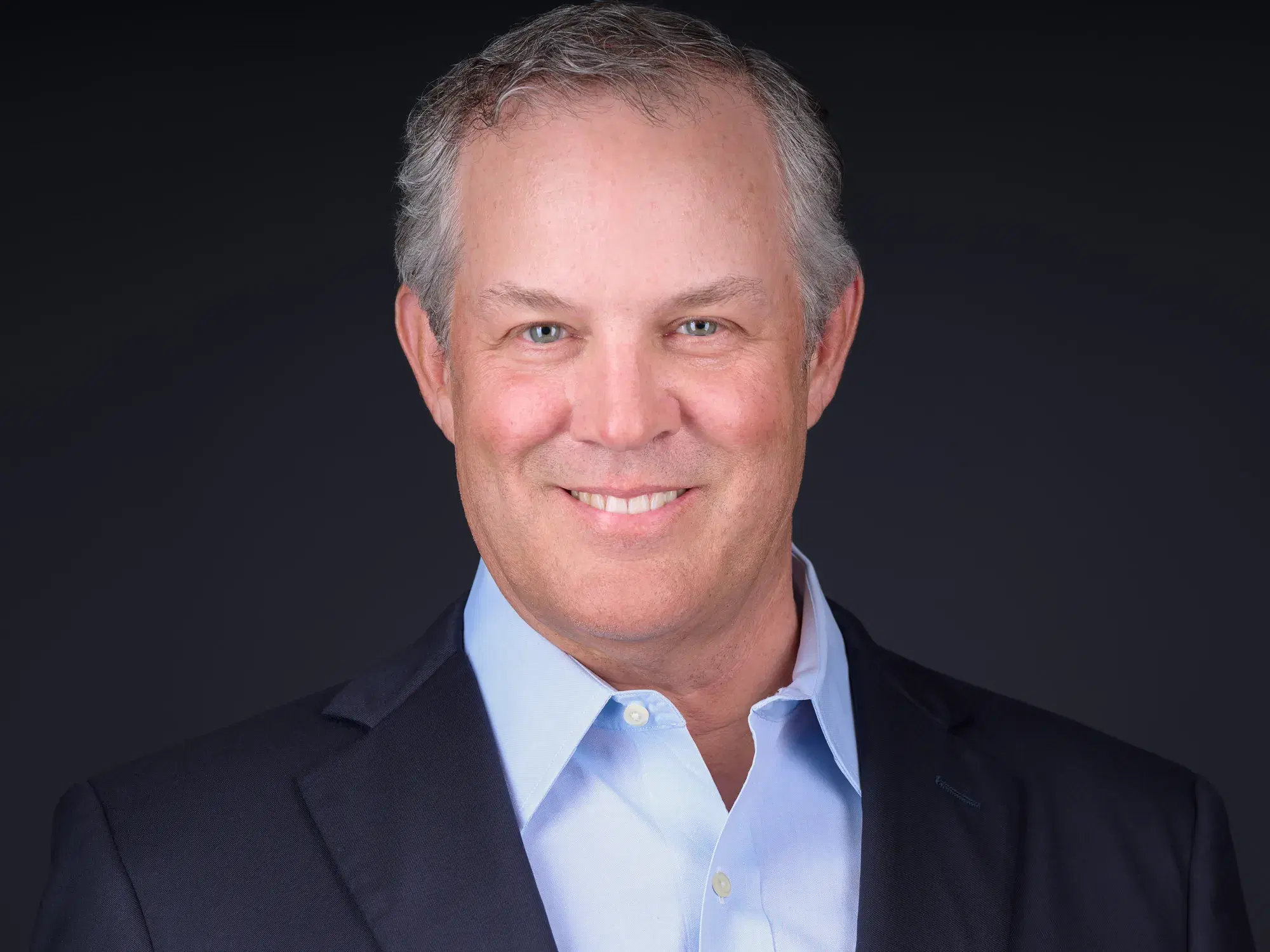
Trust Is the Product
In most professions, a headshot is a formality. For financial advisors, it's something closer to a business card and a handshake combined. Before a prospective client ever picks up the phone, they've already formed an impression of you from your photo, whether on your firm's website, your LinkedIn profile, a conference speaker bio, or a referral introduction email. That impression is either working for you or against you.
The stakes are different in financial services. Clients are trusting you with their retirement, their children's education, their financial security. Many are specifically seeking a fiduciary, someone legally obligated to act in their interest rather than their broker's. They aren't looking for a big personality. They want someone steady, competent, and trustworthy. Your headshot needs to signal all three before you say a word.
Approachable Confidence, Not Eagerness
One of the most common mistakes financial advisors make in a headshot is smiling too big. A large, enthusiastic smile reads as eagerness, and eagerness is not what you want to project when someone is weighing whether to hand you their life savings. That energy works in retail or hospitality. In wealth management it works against you. In a photograph, it's the difference between looking like a trusted advisor and looking like someone who wants to sell you something.
What you want instead is approachable confidence. Think of it as a 2 or 3 on a smile scale of 1 to 10: enough warmth to signal that you're easy to work with, but not so much that you look like you're trying to close a deal.
In expression, the mouth communicates approachability and the eyes communicate confidence. Actors and models call the technique a squinch, a subtle raising of just the lower eyelids that reads as self-assurance rather than wide-eyed uncertainty. It takes practice and can be tricky to pull off, but as long as you're not wide-eyed you're more than halfway there. In my sessions I coach every client through this in real time. You'll see each frame on a tethered display as we shoot, and we'll dial in the exact expression that works for your face and your practice.
What to Wear
Financial services skews more formal than most industries, and your wardrobe should reflect that. A well-fitted suit or blazer is almost always the right choice. Whether you add a tie depends on your practice, your firm's culture, and the clients you serve. When in doubt, lean more formal. You can always remove a tie for a second look during the session, but you can't add one retroactively.
For men: a dark or mid-tone suit, a white or pale blue dress shirt, and a conservative tie if appropriate. Avoid busy patterns, which distract from your face and can look visually noisy on screen. For women: a tailored blazer, structured top, or professional dress in solid or subtly patterned fabric. Keep jewelry minimal so it doesn't compete with your face. Hair and makeup should reflect how you present to clients, not a special-occasion version of yourself.
The goal is to look the way you do walking into a client meeting: not dressed up for the photo, not dressed down for a casual Friday. If what you're wearing would raise an eyebrow in front of a client, it's not right for your headshot. For a full wardrobe checklist, see What to Wear for Your Headshot Session.
Individual and Team Headshots
Many of the advisors I work with are part of a practice, a team of two or five or fifteen professionals who all need a consistent visual presence. A team page where every headshot was taken in a different decade, in different lighting, against different backgrounds sends an unspoken message about how organized your practice is. Consistency in headshots signals consistency in operations.
For advisory firms and RIA practices, I offer preferred team pricing that makes it practical to get everyone updated in a single session. Everyone ends up with images that look like they belong together, matched in lighting, background, and framing, while still reflecting each person's individual expression and personality. For firms with offices in other cities around the country, I maintain a referral network of photographers who work in a recognizably consistent style, so your Boston team and your Denver office can look like they were shot in the same room.
How Often Should You Update?
A good rule of thumb: if someone who knows you well wouldn't immediately recognize you from your headshot, it's time for a new one. For most professionals that means every three to five years, or sooner after a significant change in appearance, role, or firm.
In financial services, where trust is built over years and relationships are long, staying current matters. A headshot that's ten years old doesn't only look dated. It raises a quiet question about how diligent you are about keeping up with your clients' needs. Updated headshots are a small investment that protects the credibility you've spent years building. For a practical framework, read How Often Should You Update Your Professional Headshot.
Getting Started
My studio in Sherborn is 20 to 30 minutes from most of the financial services corridor along Route 9 and Route 128: Wellesley, Weston, Needham, Newton, Waltham, and beyond. For advisory firms and RIA practices needing a full team updated, I bring the studio to you. Wellesley team sessions and Newton team sessions are among the most common requests. Sessions are typically 30 to 45 minutes for individuals, and most clients walk out with more usable images than they expected.
To understand how headshots drive trust and results for advisors, see what past financial services clients have experienced on our reviews page.
If you're ready to update your headshot, or get your team aligned, visit the individual pricing page or team pricing page to see what a session looks like.