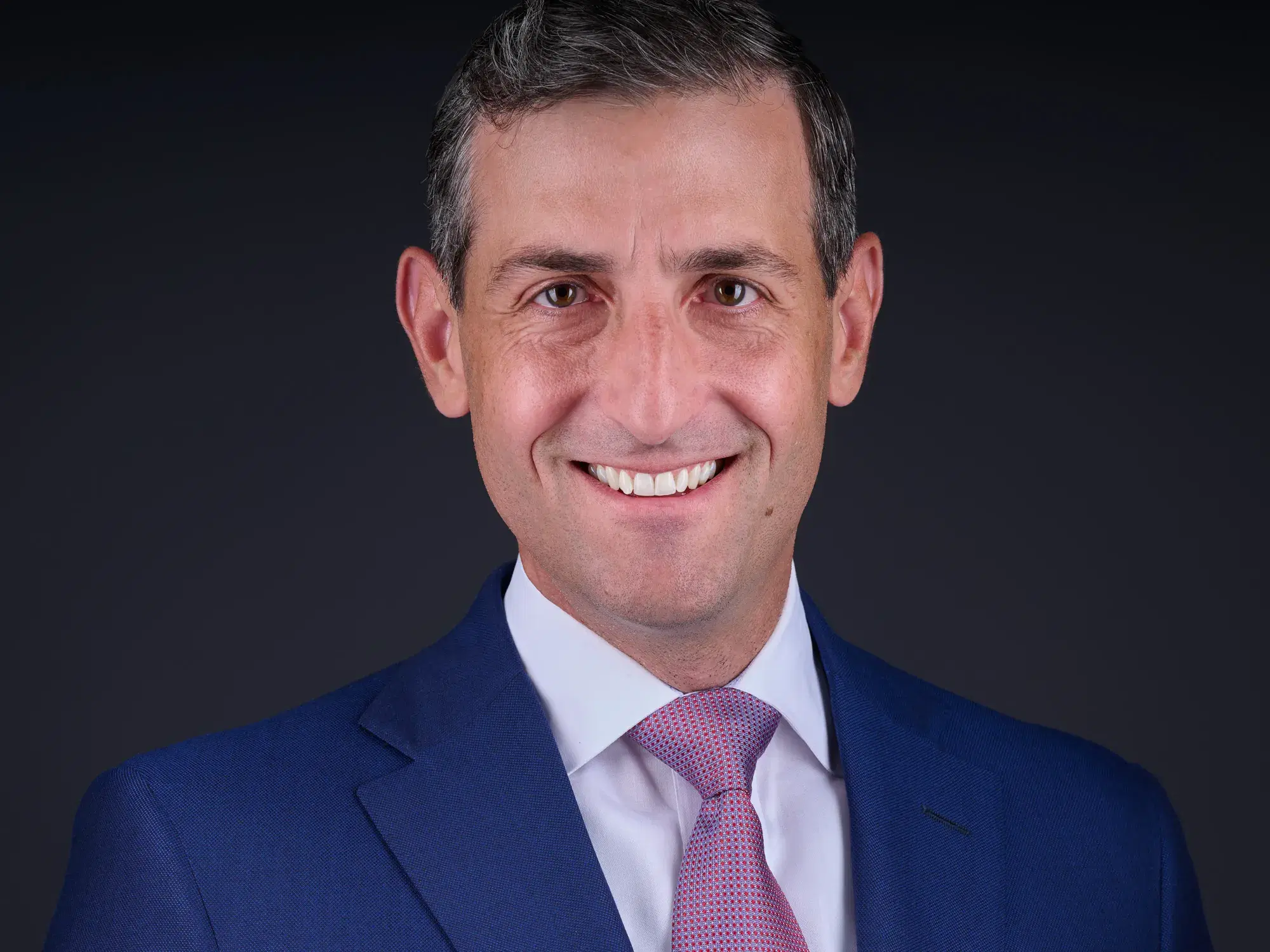
Why Wardrobe Matters More Than You Think
Your headshot is going to live on LinkedIn, your company website, maybe even a billboard in your office lobby. The outfit you choose sets the tone before anyone reads a word about you. Get it right and you look polished, approachable and credible. Get it wrong and people notice the shirt before they notice you.
The quality I'm always looking to capture is what I call 'approachable confidence': you look professional and capable, but also like someone people want to work with. Your wardrobe plays a bigger role in that than you'd think.
The good news: you don't need to buy anything new. You probably already own everything you need. Plan for about an hour for your session. Here's how to pick the right pieces from your closet.
Bring 3 to 5 Options
This is the single best piece of advice I give every client. Don't commit to one outfit before you arrive. Bring a few options and we'll look at them together on camera before we start shooting. What looks great in your mirror at home doesn't always translate, because fabric, color and fit all behave differently under studio lighting.
Lay out your options the night before. Hang them up so they're wrinkle-free. And yes, bring the one you're not sure about. It might end up being the winner.
Colors That Work
Solid, darker colors are your safest bet. Navy, charcoal, black, deep green, burgundy: these all photograph beautifully and keep the focus on your face. They also tend to look professional across every industry.
That said, don't be afraid of a pop of color if it fits your personality and brand. A rich blue or deep red can add warmth and energy to a headshot. Just avoid neons and overly bright tones, which can reflect color onto your skin.
Colors and Patterns to Avoid
Pure white can blow out under studio lighting and tends to wash out skin tones. A white shirt or blouse is fine if you're wearing a jacket over it, since the jacket frames the white and keeps it from overpowering the image. On its own, try an off-white or cream instead.
Busy patterns like thin stripes, small checks, and herringbone can create a distracting visual effect called moiré on camera. If you want pattern, keep it light and subtle. When in doubt, go solid.
Simple lines photograph best. Scarfs, ruffles and fringe can add visual clutter in a tightly cropped headshot. Save them for another occasion.
Logos and graphics are a no. Your headshot should be about you, not your favorite brand.
Necklines and Fit
A headshot is cropped tight, so your neckline is one of the most visible elements. V-necks and open collars tend to be the most flattering because they elongate the neck and frame the face. Crew necks can work but sometimes feel a bit casual.
Fit matters more than style. Anything too loose looks sloppy on camera. Anything too tight pulls and wrinkles in unflattering ways. If you're between sizes, go with the one that sits naturally on your shoulders.
Detail matters too. Crisp, fresh fabric photographs noticeably better than something that's been comfortably worn for a few years. All garments should be new or close to it, because the camera picks up what your eye might not.
Jackets, Blazers and Layers
A well-fitted blazer instantly elevates a headshot. It adds structure to your shoulders and communicates authority. You don't have to wear one, and plenty of great headshots are in a simple button-down or blouse, but if you own one that fits well, bring it.
If you're wearing a suit or sport coat, bring several solid color shirts so we can experiment with different combinations. Layers give us options during the session. We might shoot a few with the jacket on, a few without. Having choices means a better final result.
Jewelry and Accessories
Less is more. Simple earrings, a classic watch, a subtle necklace: these can add a touch of personality without pulling focus. Large statement pieces tend to dominate the frame and date the photo faster.
If you wear glasses, bring them. We'll manage any reflections with lighting angles. If you sometimes wear them and sometimes don't, bring both options and we'll shoot both.
Grooming, Hair and Makeup
Men: keep it simple. A clean shave and some moisturizer is all you need. If you have a beard, make sure it's trimmed and tidy. I don't recommend makeup for men.
Women: if you're doing your own makeup, aim for a clean, natural look. Less is more under studio lighting, since heavy makeup tends to flatten your features on camera. If you'd prefer professional hair and makeup, I work with talented artists who specialize in on-camera looks. The goal is always the best version of you, not a makeover. Come with as little makeup as you're comfortable with and we'll build from there.
The Bottom Line
Your outfit should make you feel confident and look like the professional version of yourself, not someone else. When you step in front of my camera, I want you to feel like you. That's when the best headshots happen.
The session itself is interactive. I shoot tethered into a computer so we review images together in real time. I'll coach you through posture, expression and wardrobe adjustments as we go. Most clients tell me they learned a lot, not just about headshots but about how to look good in front of any camera, even a phone.
If you're still unsure about what to bring, snap a few phone photos of your options and email them to me before your session. I'm happy to give you feedback so you show up feeling prepared.
I photograph clients from across the Boston metro area at my studio in Sherborn, an easy drive from Holliston, Natick, Wellesley, Needham and Boston. For teams, I bring the full studio setup to your office anywhere in Boston, Cambridge or the surrounding area.
Ready to get a headshot you're actually proud of?
Book Your Session