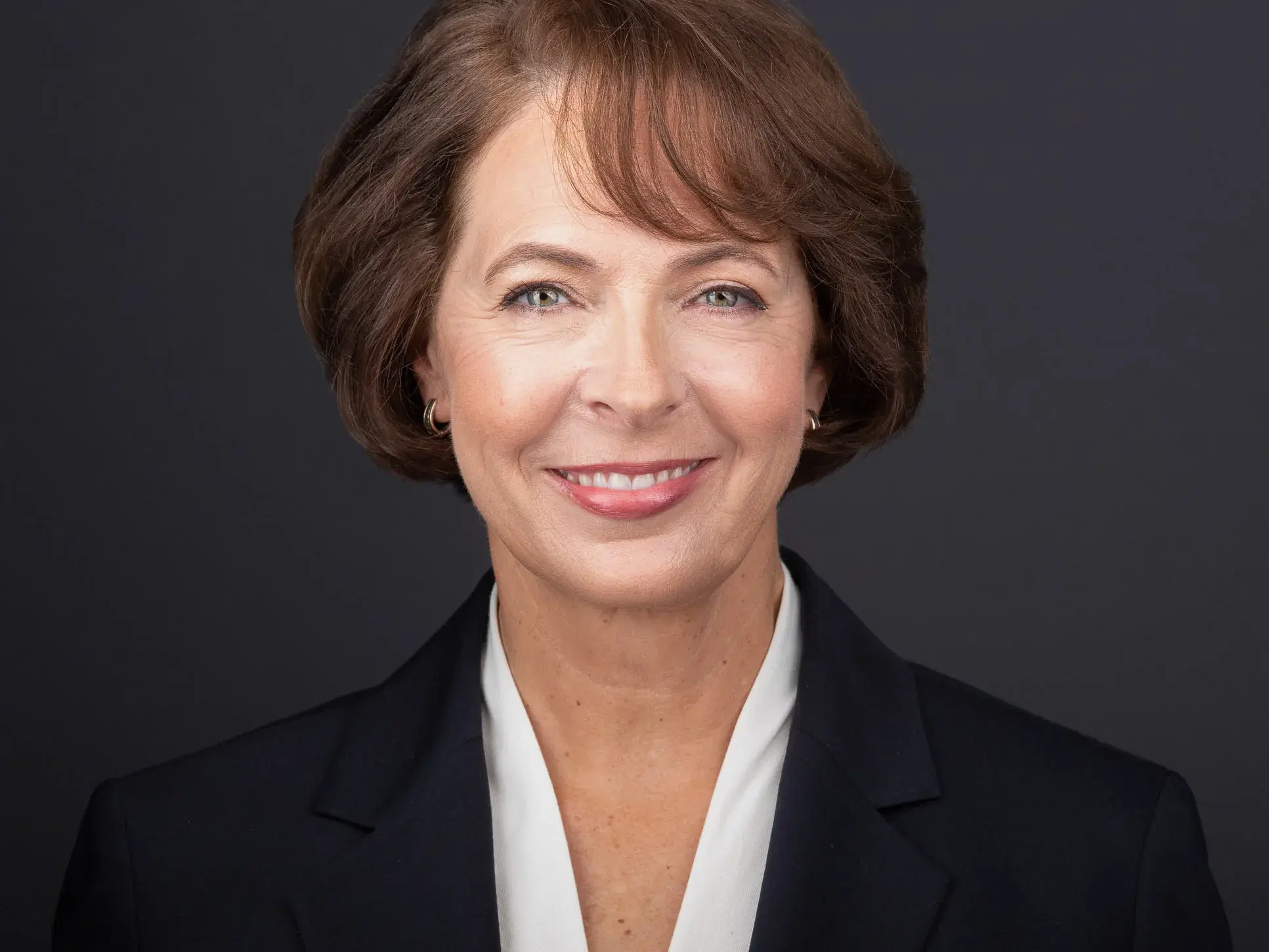
The Short Answer: Every Two Years
If you want a simple rule, here it is: update your professional headshot every two years. That cadence keeps you current without being excessive. It accounts for the natural changes in appearance that happen over time: subtle shifts in weight, skin, hair and style that add up faster than most people realize.
But the two-year rule is a ceiling, not a target. There are plenty of reasons to update sooner. And if you're using the same headshot you had taken in 2020, you're already overdue.
The Real Rule: When You Don't Look Like Your Photo
Forget the calendar for a second. The only rule that actually matters is this: does your headshot look like the person who shows up?
If someone met you for the first time after seeing your headshot, at a client meeting, a networking event, a job interview, would they recognize you immediately? Or would there be a half-second pause, a slight recalibration, a flicker of 'that's not quite what I expected'?
That flicker costs you. It doesn't matter whether the disconnect is dramatic or subtle. Any gap between what your photo promises and what you deliver in person creates a small crack in trust before the conversation even starts.
Changes That Trigger an Update
Some changes are obvious. You got a significantly different hairstyle. You grew or shaved a beard. You started or stopped wearing glasses. You gained or lost noticeable weight. Any of these is an immediate trigger, so don't wait for a scheduled update.
Other changes are gradual and easier to miss. Your face has aged. Your style has evolved. The suit you wore in the photo isn't how you dress anymore. You look at the headshot and think 'that's still me,' but the people who are seeing it for the first time don't have the benefit of watching the gradual transition. They just see a photo that doesn't match the person in front of them.
Here's a quick test: show your headshot to someone who hasn't seen you in a year. If their reaction is anything other than 'yep, that's you,' it's time.
Career Changes That Demand a New Headshot
Your appearance isn't the only thing that changes. Your career does too, and your headshot should reflect where you are now, not where you were.
New job or new role. If you've moved from a creative agency to a law firm, the headshot that worked before probably doesn't fit the context anymore. Wardrobe, expression and overall tone should align with how you want to be perceived in your current position.
New industry. A tech startup and a financial advisory firm communicate differently. Your headshot is part of that communication whether you're thinking about it or not.
Promotion to a leadership role. If you've gone from individual contributor to managing partner, your headshot should reflect that shift in gravitas. The casual shot that worked five years ago may not carry the weight your current title demands.
Launching a business. If you're going out on your own, your headshot is doing heavier lifting than ever. It's not just a profile photo. It's the face of your brand. Invest accordingly.
Industry-Specific Cadences
Some industries move faster than others. Real estate agents should update every one to two years, because your face is on every sign, every mailer, every listing. The disconnect between your headshot and your actual appearance is more visible and more consequential than in most professions.
Lawyers, financial advisors and consultants can usually stretch to the two-year mark unless there's been a significant appearance change. The key audience, clients and referral partners, values consistency and accuracy.
Executives and public speakers who appear at conferences, on panels, or in media should keep their headshot current within 12 to 18 months. Event organizers use your headshot on promotional materials. If the audience can't match the face on the screen to the person on stage, it's a problem.
If you work in tech, creative industries or any space where personal brand matters, err on the shorter side. These fields move fast and visual currency depreciates faster.
The Hidden Cost of an Outdated Headshot
Most people don't think about the cost of not updating because it's invisible. You don't see the potential client who looked at your headshot and felt something was off. You don't hear about the recruiter who moved to the next candidate because your photo looked dated. You don't know about the referral partner who couldn't find you at the conference because you don't look like your website anymore.
An outdated headshot doesn't announce itself. It just quietly works against you, one missed connection at a time.
It's an Attention-to-Detail Problem
Here's the part nobody says out loud: an outdated or careless headshot raises a question about how you operate. If you can't prioritize the details of your own professional image, the one thing that's entirely within your control, what does that say about how you'll handle the details that matter to a client, a team or an organization?
People notice. Hiring managers notice. Clients evaluating whether to trust you with their business notice. A dated headshot doesn't just say 'I haven't gotten around to it.' It says 'details aren't my priority.' And in any role where leadership, judgment or client trust is part of the job, that's a message you can't afford to send.
The inverse is equally true. A current, polished headshot signals that you pay attention, that you take your professional presence seriously, that you sweat the small things. It's a quiet demonstration of the same qualities people are looking for when they decide whether to hire you, promote you or hand you a piece of their business.
What About the Investment?
I understand the hesitation. You paid for a headshot, you liked it, it still looks good. Why replace something that works?
Because it doesn't work as well as you think. A headshot isn't a one-time purchase like a logo. It's a perishable asset. Its value declines as the gap between the image and reality widens. The longer you wait, the more that gap costs you in credibility.
Here's a way to think about it that puts the cost in perspective. Your most valuable asset isn't your car, your house or even your 401(k) balance. It's your ability to earn income, specifically the present value of all the income you'll earn over the course of your career. For most professionals, that number is in the millions of dollars. Your headshot is an investment in that asset. It's the image that opens doors, builds trust and creates opportunities that feed your earning power for years.
Spending a few hundred dollars on a professional headshot every couple of years is short money against a multi-million-dollar asset. Your headshot appears on LinkedIn, your company website, your email signature, your social profiles, your business cards, maybe even print materials. It's the single most-used visual asset in your professional life, and one of the lowest-cost, highest-impact investments you can make in how the world perceives you.
The Bottom Line
Every two years as a baseline. Sooner if your appearance, your role or your industry has changed. And if you can't remember when your current headshot was taken, that's your answer.
Your headshot should look like you walked into the studio last month, even if it's been a year. When it stops doing that, it's time.
To see how updated headshots deliver real results for professionals, read what past clients have to say on our reviews page.
When you're ready for a fresh headshot, my studio in Sherborn is convenient to Holliston, Hopkinton, Natick and Medfield. For companies looking to update their full team, I bring the studio to your office in Worcester, Newton or anywhere in the area.
Ready to get a headshot you're actually proud of?
Book Your Session