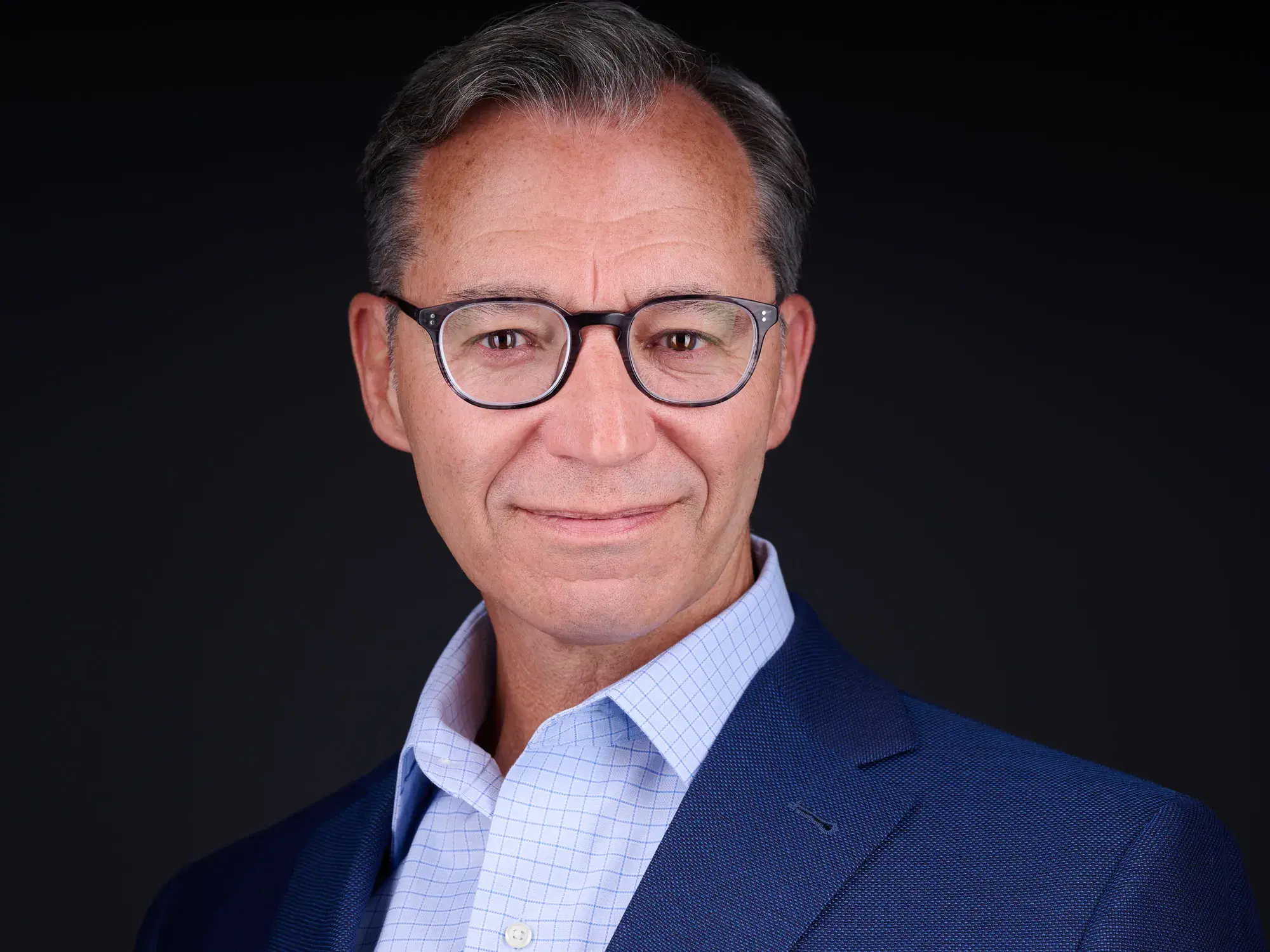
They're Not as Different as You Think
I get this question constantly. Someone calls to book a session and asks: 'Do I need a corporate headshot or a LinkedIn headshot?' They say it like they're choosing between two completely different products, as if one comes with a suit and the other comes with a hoodie.
The truth is, a great headshot works everywhere. The distinction between 'corporate' and 'LinkedIn' has more to do with how the image gets used than how it gets made. But there are real differences worth understanding, especially if you're trying to get the most value out of a single session.
What People Mean by 'Corporate Headshot'
When companies book team headshots, they're usually looking for consistency. Everyone on the same background. Similar framing. Coordinated wardrobe guidelines so the whole team feels cohesive on the About page or in the annual report. The idea is that each person stands out by fitting in: you look like yourself, but you also clearly belong to the same organization. If you're the one organizing a session for a whole team, here's exactly how a corporate headshot day works: throughput, how everyone ends up matching, and what I need from your office.
Background and wardrobe choices often align with the company's brand color palette. A law firm might want charcoal backgrounds and dark suits. A tech company might go lighter and more casual but still keep everyone in the same tonal range. That coordination is a big part of what separates corporate headshots from individual ones. It's not about looking professional so much as looking professional together.
The expression is confident and composed. The audience is typically clients, investors, partners, the people evaluating your company's credibility. These images say: we're a serious organization and these are the people behind it.
What People Mean by 'LinkedIn Headshot'
A LinkedIn headshot serves a different purpose. It's your personal brand, not your company's. The audience is recruiters, potential clients, networking connections, the people deciding whether to click, connect or respond to your message.
The expression is still approachably confident (you're not going for a casual selfie vibe) but the overall feel is a bit more relaxed and laid back. The background might be lighter or slightly out of focus. The wardrobe is professional but not necessarily formal. A button-down without a jacket. A blazer with no tie. Sleeves rolled up. You look like someone who's good at what they do and easy to work with.
The goal is that same approachable confidence, just dialed slightly toward personal rather than institutional. You want someone scrolling through search results to think: that person looks like someone I'd want to work with.
Where the Distinction Breaks Down
Here's what most people don't realize: the technical process is nearly identical. The same professional lighting, the same coaching, the same attention to posture, expression and detail. The camera doesn't know whether the image is destined for a company website or a LinkedIn profile.
The real variables are wardrobe, expression and background, and all three can be adjusted during a single session. That's why I always tell clients to bring options. We'll shoot a few frames that are more formal and a few that are more relaxed. You walk out with images that work in both contexts.
A headshot where you look confident, polished and genuinely like yourself works on LinkedIn, on your company website, and on a conference speaker page. The image that makes you look your best doesn't need a category.
Corporate vs. LinkedIn: Side by Side
| Corporate Headshot | LinkedIn Headshot | |
|---|---|---|
| Primary audience | Clients, investors, partners | Recruiters, connections, prospects |
| Tone | Formal, institutional | Professional but personal |
| Background | Solid, often brand-matched | Neutral or softly blurred |
| Wardrobe | Suit, jacket, formal | Smart casual: blazer, no tie |
| Expression | Composed, authoritative | Warm, approachable |
| Consistency | Matched across team | Individual brand |
| Where it lives | Company website, annual report, email signature | LinkedIn, personal site, conference bio |
| Session difference | None: same professional lighting, coaching and process. Adjusted through wardrobe and expression only. | |
The last row is the one most people don't expect. The photography itself doesn't change; what changes is the styling. Which is why one well-planned session with the right wardrobe options covers both.
When the Distinction Does Matter
There are situations where the difference is real. If your company has strict brand guidelines (a specific background color, a particular crop ratio, a mandated dress code) your corporate headshot needs to hit those specs exactly. That's a creative constraint, not a different kind of photography.
On the other side, if you're a solo entrepreneur or freelancer, your LinkedIn headshot is doing heavier lifting. It's more than a profile photo; it's your entire visual brand. In that case, you might want something with more personality: a wider crop, an environmental background, something that tells a story beyond 'I own a blazer.'
For most professionals, though, the sweet spot is one great headshot that splits the difference: professional enough for the corporate directory, warm enough for LinkedIn, and authentic enough that you actually want to use it.
What Actually Makes a Headshot Work
Forget the labels for a second. Here's what makes any headshot effective, regardless of where it's used.
It looks like you. Not a version of you from five years ago, not a heavily retouched ideal, just you, on your best day. When someone meets you in person after seeing your headshot, there should be zero disconnect.
Your expression is natural. The best headshots capture a genuine moment: eyes engaged, face relaxed, a real expression rather than a held pose. That takes coaching, not just a camera.
The technical quality is professional. Clean lighting, sharp focus, a background that doesn't compete with your face. These details are invisible when they're done right and painfully obvious when they're not.
It's current. A headshot from 2019 isn't doing you any favors in 2026. If your hair, weight, glasses or style have changed noticeably, it's time for a new one.
How to Get Both in One Session
This is what I recommend to most clients: bring two to three wardrobe options ranging from formal to smart casual. We'll shoot a set in each. Jacket on, jacket off. Tie, no tie. Serious expression, natural smile.
In a 30-minute session, we can easily produce a corporate-ready image and a LinkedIn-ready image, because we're really just adjusting the variables within the same professional framework. You're not paying for two different products. You're getting range from one well-planned session.
I shoot tethered to a monitor so you see every shot in real time. We review together and you'll know before you leave that we nailed both looks.
Platform Specs Worth Knowing
Neither LinkedIn nor most company websites publish strict technical requirements for headshots, but there are practical guidelines worth knowing before your session.
For file delivery, I recommend 2048 pixels on the long edge. That's the threshold above which Facebook's compression algorithm kicks in and starts degrading image quality, and conveniently, 2048px works for virtually every other platform and use case as well. LinkedIn, company websites, conference bios, print directories: 2048px handles all of it without a reshoot.
If your company's webmaster needs the image reformatted for a specific template (an org chart, a speaker page banner, an intranet profile) 2048px gives them the resolution to handle any crop or resize without coming back to you for a new photo.
The Bottom Line
Corporate headshot and LinkedIn headshot are really just marketing terms for the same thing: a professional photograph that makes you look credible, approachable and like yourself. The differences are in styling and context, not in the photography itself.
If you're booking a session, don't overthink the category. Focus on finding a photographer who coaches you through expression and posture, who understands lighting, and who delivers images sharp enough to work at any size on any platform. Get that right and you'll have a headshot that works everywhere, no label required.
My studio in Sherborn is an easy drive from Wellesley, Natick, Weston, Newton and Brookline. Whether you need a polished corporate set or a relaxed LinkedIn look, we'll cover both in one session. For company-wide headshot days, I bring the full studio to your office in Wellesley, Boston, Cambridge or the surrounding area. See individual session pricing or team pricing.
Frequently Asked Questions
Can I use the same headshot for LinkedIn and my company website?
Yes, and most professionals should. A well-made headshot works across platforms. The key is that it looks like you, the lighting is professional, and the expression reads as confident and approachable. If your company has strict brand guidelines (specific background color, crop ratio), you may need a separate version, but the session itself covers both.
Do I need separate headshots for different platforms?
Usually not. In a single 30-minute session, we shoot multiple looks: formal and relaxed, jacket on and off, serious and smiling. You walk out with images that work for LinkedIn, your company website, conference bios, and anywhere else you need a professional photo. Most clients choose 2-3 finals from one session to cover everything.
How is a corporate headshot session different from a LinkedIn headshot session?
The photography is the same: professional lighting, coaching, tethered display. The difference is styling. Corporate sessions often follow brand guidelines for background and wardrobe consistency across a team. LinkedIn sessions are more personal. I coach you through both approaches in every session, so you don't have to choose one or the other. For more on the session process, read what happens during a professional headshot session.
What should I wear for a corporate vs. LinkedIn headshot?
Bring options. For the corporate look: a well-fitted suit or blazer in a dark solid color. For the LinkedIn look: dress one notch down, a button-down without a jacket, or a blazer with no tie. Avoid busy patterns, logos, and bright white. We'll plan your looks together before we start shooting. For detailed guidance, see what to wear for your headshot session.
What's the ideal file size for a professional headshot?
I deliver all images at 2048 pixels on the long edge. That's the threshold above which Facebook's compression algorithm kicks in and degrades image quality, and it works cleanly across LinkedIn, company websites, conference bios, and virtually every other use case. Your webmaster can reformat from there for any specific template or crop requirement.
Does my LinkedIn headshot need to match my company headshot?
Not necessarily. Many professionals use a slightly warmer, more personal version of their corporate photo on LinkedIn while keeping the formal version for company directories. As long as both images look like you and were taken around the same time, the difference in tone is appropriate and expected.
How long does a session take if I want both looks?
Most clients cover both corporate and LinkedIn looks within a standard 30-to-45-minute session. Bring two to three wardrobe options, one formal and one smart casual, and we'll move between them. The coaching and lighting setup stays the same; the wardrobe change takes two minutes.
Can I use the same headshot on LinkedIn for years?
You can, but most professionals shouldn't. If your appearance has changed noticeably (hair, weight, glasses, age) a headshot that no longer looks like you creates a disconnect when you meet someone in person. A good rule of thumb: update when someone who's only seen your photo does a double-take when they meet you.
Ready to get a headshot you're actually proud of?
Book Your Session