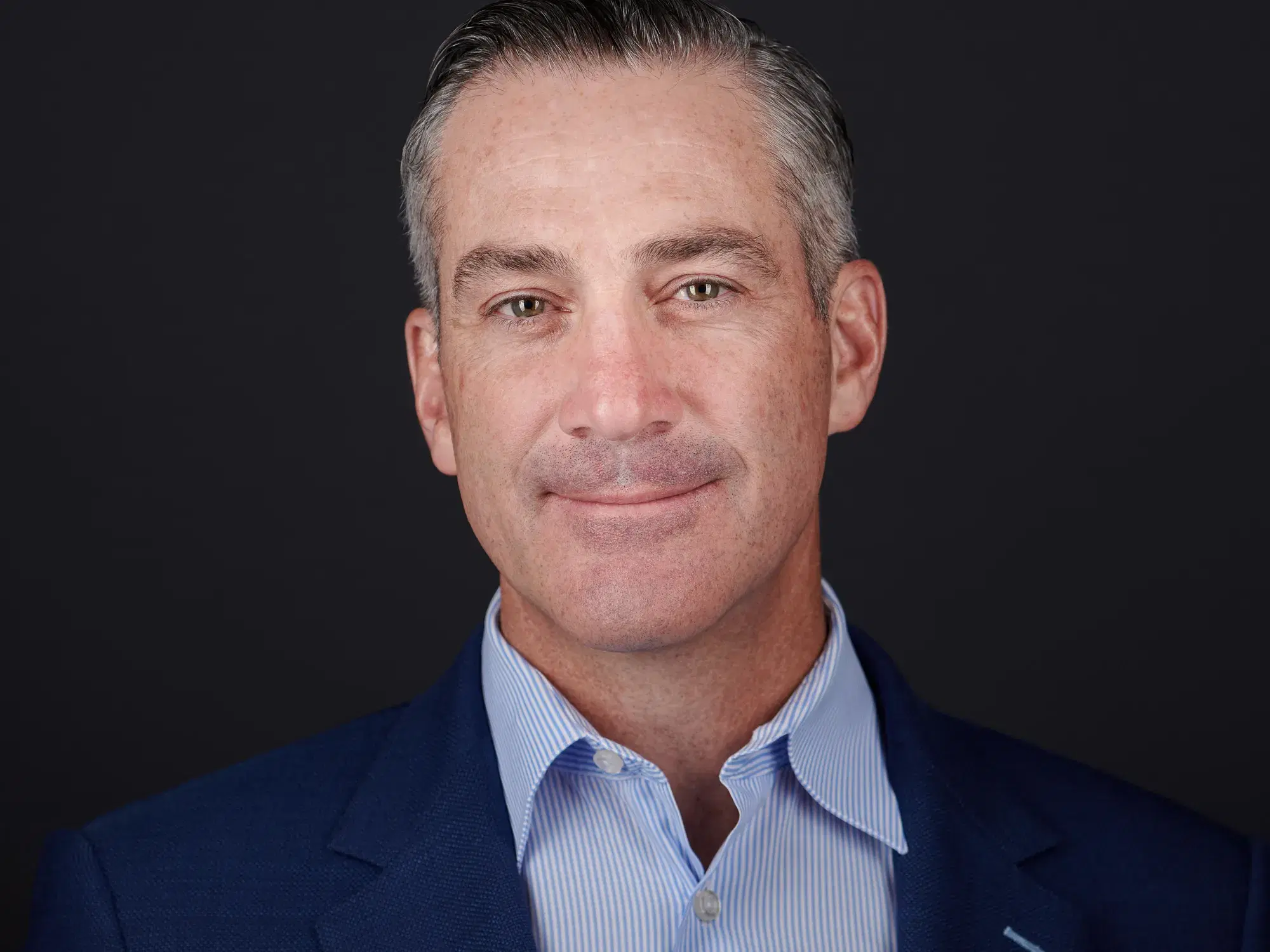
You're Not Alone
If the idea of standing in front of a camera makes you want to cancel the appointment, you're in good company. Most of my clients walk in feeling some version of 'I hate having my picture taken.' Executives, attorneys, doctors, actors: it doesn't matter the profession. The nerves are real.
Here's what I've learned after thousands of headshot sessions: confidence in a photo has almost nothing to do with how you feel about cameras. It's a skill, and it can be coached. That's my job.
Confidence Is Physical, Not Mental
You don't need to feel confident to look confident. That might sound like a contradiction, but it's the most important thing I can tell you. Confidence in a headshot comes from your body, from posture, chin position, and the angle of your shoulders, not from some inner state of calm.
When you step in front of my camera, I'll guide you through every adjustment. Drop your left shoulder. Bring your chin down just a fraction. Shift your weight slightly. Each small change shifts how the camera reads you, and within a few minutes you'll see it happening on the tethered display in real time.
Most clients are visibly surprised. 'That's me?' is something I hear at least once a session.
The Eyes Do the Heavy Lifting
A confident headshot lives or dies in the eyes. Think of it this way: your eyes communicate one of two things, confidence or fear. The deer-in-the-headlights look is just fear showing up in the eyes, and the camera captures it instantly. The opposite, eyes that are engaged, steady and present, reads as confidence. When they're right, the whole image clicks. When they're vacant or tense, no amount of retouching fixes it.
I use a few techniques to get your eyes right. Sometimes it's a conversation, where I'll ask you something that requires you to actually think, which pulls your focus into your expression naturally. Sometimes it's as simple as looking away and then back. The moment you re-engage with the lens, there's a natural spark that the camera catches.
We'll do this dozens of times. You won't notice most of them, but I will.
Smile or No Smile?
This is the question I get asked more than any other. The answer depends entirely on you: what looks and feels most authentic.
If the eyes handle confidence, the mouth handles approachability. A small, natural smile, about a 2 to 4 on a scale of 1 to 10, is the sweet spot. A big smile communicates eagerness, and that's not what you want in front of a potential hiring manager or new client. You want to be approachable, not eager. Just enough warmth to say 'I'm good at what I do and I'm easy to work with.'
We'll shoot a range of expressions so you have options. The right choice often becomes obvious once you see them side by side on the tethered display.
What to Do With Your Hands
In a headshot, your hands may or may not be visible. But what you do with them affects your shoulders, your posture and your overall energy. If your hands are tense, gripping the armrest, clenched in your lap, that tension travels straight up into your face.
The best position is the one that feels the most awkward: hands hanging naturally at your sides. It looks relaxed and open on camera even though it feels strange in person. Crossed arms send closed-off body language. Hands in pockets disrupt the drape of your jacket or shirt and create unflattering bunching. I'll guide you through it, and once you see the difference on the tethered display, the awkwardness disappears.
Breathing Actually Helps
I know it sounds like something from a meditation app, but a slow exhale right before I click the shutter makes a measurable difference. It drops your shoulders, softens your jaw and takes the edge off your expression.
I'll cue this during the session. You won't have to remember it. It becomes part of the rhythm we build together.
Why Coaching Matters
The difference between a great headshot and an awkward one is rarely the camera or the lighting. It's whether someone was there to guide you through the experience. A good headshot photographer isn't just pressing a button. They're reading your body language, making micro-adjustments and giving you real-time feedback.
That's why I spend 30 to 45 minutes with each client, not 5. The first few minutes are warmup. The magic usually happens about 15 minutes in, once the nerves have burned off and you've settled into the process.
You don't need to be photogenic. You don't need to practice poses in the mirror. You just need to show up. I'll handle the rest.
I photograph clients at my studio in Sherborn, an easy drive from Boston, Natick, Needham, Framingham and Wellesley. I also specialize in actor headshots for performers who need range and authenticity in a single frame. For teams, I bring the full setup to your office in Waltham, Boston or the surrounding area.
Ready to get a headshot you're actually proud of?
Book Your Session