The Most Common Question I Get
Before almost every headshot session, someone asks me some version of the same question: should I smile? My answer is probably yes, but the more important question is what kind of smile, and that's something we discover together.
The most important objective in any headshot session is capturing you, authentically. Not a version of you performing for a camera, not the expression you think you're supposed to have. You. That takes a little time. It takes you getting comfortable in the studio, and it takes me reading you: how you carry yourself, what lights you up, what your natural expression actually looks like when you're not thinking about it.
That's the journey we take together. And the smile question usually answers itself along the way.
What a Smile Actually Communicates
A smile is a signal. In a headshot, it tells the viewer something about your personality, your approachability, and how you want to be perceived before you say a word.
A warm, natural smile says: I'm approachable, confident, and easy to work with. That's a powerful message for most professionals. A big, wide-open smile says something different: eager, excited, enthusiastic. That's not the message you want to send to a prospective client or a hiring manager. You want to be approachable. Not eager.
No smile at all, pure neutral, tends to read as cold unless the context specifically calls for it. Think passport photos, not LinkedIn profiles. For most professional headshots, some warmth is almost always the right call. And probably not the expression your spouse or significant other will love most, but that's not who we're shooting for.
The 1-to-10 Scale
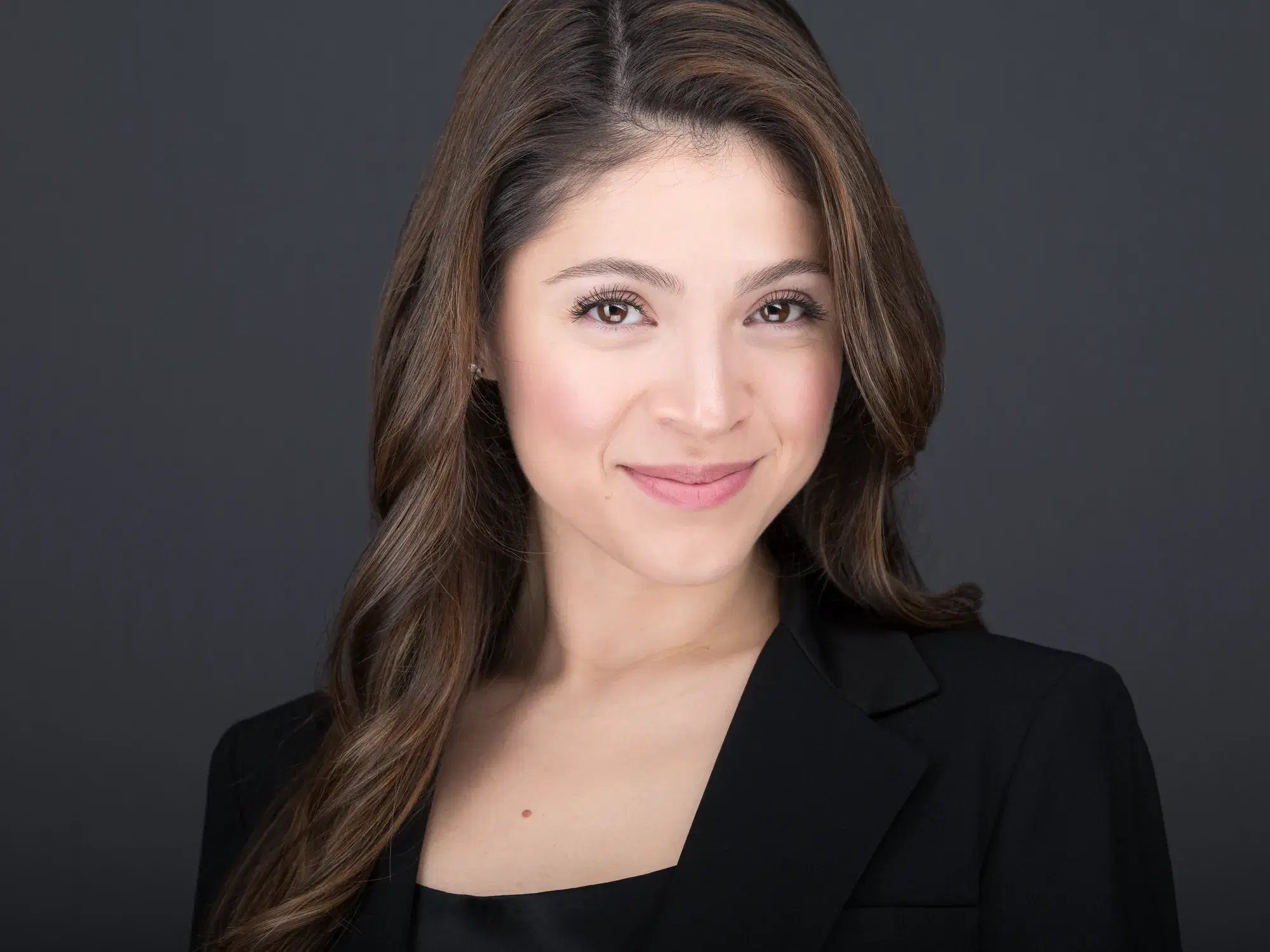
I use a simple framework with clients during sessions. Think of your smile on a scale of 1 to 10, where 1 is completely neutral and 10 is a full open-mouth grin. For most professional headshots, the sweet spot is between 2 and 4.
A 2 to 4 is a closed-mouth smile with warmth in the eyes. The corners of your mouth lift slightly. Your eyes engage. You look like someone worth talking to, not someone trying to sell you something.
Above a 6, the smile starts to communicate eagerness. That's a problem in most professional contexts. Prospective clients and hiring managers aren't looking for enthusiasm. They're looking for competence, trustworthiness, and someone easy to work with. A smile that tips into eager undercuts the authority you've spent years building.
But Your Smile Might Not Work That Way
Here's the reality: 2 to 4 is the ideal range, but not everyone can land there naturally. Some people are a 0 or a 10, and that's just who they are. Ask them to hold a subtle smile and it looks forced, stiff, unconvincing. The camera knows.
And that's fine. Because the fundamental rule is always the same: capture who you actually are, authentically. If your natural smile is a full 8, then an 8 is the right answer for you. If you're someone who carries warmth in your eyes without needing to smile at all, that's its own kind of powerful.
This is part of what we uncover together in the studio. I'm watching how you move, how you talk, what happens to your face when you're relaxed and not thinking about the camera. That's the version of you we're after. Once I see it, I know how to bring it out on cue.
The Eyes Are Half the Secret
Here's what most people miss going into a headshot session: the mouth and the eyes are equally important. The mouth communicates approachability. The eyes communicate confidence. Together, they're the secret sauce.
Eyes tell the viewer one of two things: confidence or fear. The deer-in-the-headlights look is just fear showing up in the eyes, and the camera catches it instantly. Wide, startled eyes read as uncertain, anxious, unprepared. The opposite, steady, engaged eyes with a slight intensity, reads as confident and present.
The technique that unlocks this is something called a squinch: a subtle raising of just the lower eyelids. Not a squint, which looks aggressive. A squinch. It's the difference between looking at something and really looking at it. It's what you see in the eyes of someone who is completely at ease in front of a camera. It looks effortless, but it takes practice.
We'll work on it together in the studio. Most clients are surprised how quickly it clicks, and even more surprised by what it does to their photos when it does.
Most Clients Want a Range
You don't have to decide before you walk through my door. One of the advantages of working with a photographer who takes time with you, rather than 90 seconds in front of a corporate backdrop, is that we can explore.
Most of my clients leave with a selection of images that reflects a spectrum: a warmer smile for LinkedIn and client-facing profiles, a more composed expression for board bios or speaking engagements, something in between for everything else. Different contexts call for different versions of you, and a good headshot session gives you that range.
For actors, this is especially true: you need to show range as a matter of craft. But executives, attorneys, consultants, and just about every other professional benefit from having options too. The days of one headshot that has to do everything are over.
I photograph clients at my studio in Sherborn, an easy drive from Boston, Natick, Needham, Wellesley, and Framingham. When you're ready to find your version of the right expression, I'm here.
Ready to get a headshot you're actually proud of?
Book Your Session