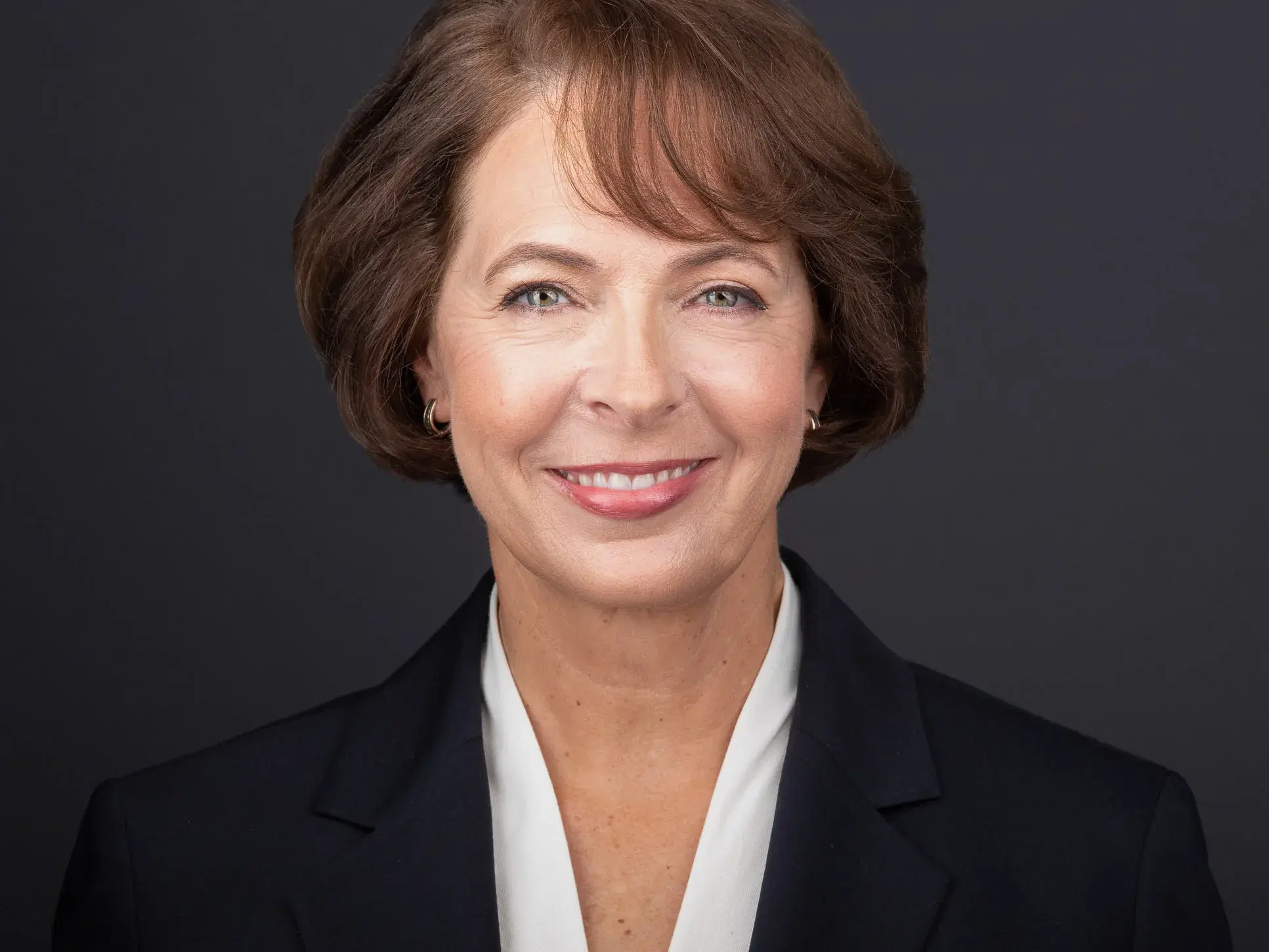
The Lighting Question Every Client Asks
If you've spent any time researching headshot photographers, you've probably noticed that some shoot exclusively with natural light while others work in a studio with professional lighting. Both approaches can produce excellent results, but they're not interchangeable, and understanding the differences will help you choose the right photographer and the right setup for what you need.
I've shot headshots both ways over the years. Here's what I've learned about when each approach works best, and where each one falls short.
What Natural Light Does Well
Natural light headshots have an organic, approachable quality that's hard to replicate. When conditions are right (overcast sky, open shade, golden hour), natural light wraps around the face beautifully and produces images that feel warm and authentic.
For creative professionals, lifestyle brands, and anyone whose image should feel relaxed rather than corporate, natural light can be the right choice. It's also great for environmental portraits where the setting matters as much as the person: a founder photographed in their workshop, an author on their front porch.
The best natural light photographers are experts at finding and shaping available light. They know which direction to face you, where to position a reflector, and how to use a doorway or a building overhang as a giant softbox. It's a real skill, and when it's done well, the results look effortless.
Where Natural Light Falls Short
The biggest limitation of natural light is control, or more precisely the lack of it. The sun moves. Clouds come and go. The quality of light at 9 AM is completely different from 2 PM. A photographer who relies on natural light is at the mercy of the weather and the time of day.
This creates practical problems. Weather can force delays and rescheduling, which is inconvenient for you and difficult for a photographer to build a reliable business around. A session that was supposed to be outdoors might need to move inside if it rains. The beautiful soft light you saw in the photographer's portfolio might not exist on the day of your appointment.
There's also a consistency issue. If you're getting headshots for a team, natural light makes it nearly impossible to match the look across people shot at different times. One person gets photographed under clouds, another in direct sun, a third in the shade of a tree. The individual shots might all look good, but as a set they won't match.
I'll be candid here: in my experience, many photographers who promote themselves as 'natural light photographers' are really advertising that they never learned to work with the intricacies of flash and studio lighting. That doesn't make them bad photographers, but it does mean their toolkit is limited. You'll have to decide whether that versatility matters for your needs.
What Studio Lighting Does Well
Studio lighting gives you total control. I can create the exact same lighting setup at 8 AM or 8 PM, in January or July. Rain, snow, overcast: none of it matters. The light is always exactly where I need it.
That control translates directly to consistency and precision. I can sculpt the light to flatter your specific face shape, bringing out cheekbones, softening a strong jawline, clearing shadows from under the eyes. I can adjust the ratio of light to shadow for a more dramatic or more even look depending on what the headshot needs to communicate.
For corporate and professional headshots, this matters enormously. The image needs to look polished, intentional and consistent with your brand. Studio lighting delivers that reliably, session after session. If you want to understand the full experience, read What Happens During a Professional Headshot Session.
For actors, studio lighting is especially important. A strong headshot portfolio needs to reflect a range of moods: commercial warmth, dramatic intensity, approachable neutrality. With studio lighting I can shift the entire feel of an image by adjusting one light. Natural light locks you into one mood, whatever the sky gives you that day.
The Myth of 'Natural Looking' Light
One of the biggest misconceptions I hear is that studio lighting looks 'artificial' while natural light looks 'real.' That might have been true 20 years ago when studio photography meant harsh flash and deep shadows, but modern studio lighting has evolved dramatically.
The softboxes, beauty dishes and diffusion panels I use in my studio are specifically designed to mimic and improve upon natural light. The result is light that looks completely natural, precisely because it's engineered to look that way, but with a level of control and consistency that the sun simply can't provide.
Most people can't tell whether a well-lit studio headshot used natural or artificial light. What they can tell is whether the lighting was flattering and intentional. That's what matters.
How Lighting Affects What You Wear
Your lighting setup directly affects wardrobe choices. Natural light tends to be softer and less directional, which is more forgiving with textures and patterns. Studio lighting is more precise, which means fabric choices matter more, since certain materials catch studio light differently than they catch sunlight.
In my studio sessions, I review your wardrobe options before we start shooting and can adjust the lighting to complement what you're wearing. That flexibility is one of the advantages of a controlled environment. For detailed wardrobe guidance, see What to Wear for Your Headshot Session.
Which Should You Choose?
If your headshot is for corporate, executive or professional use (LinkedIn, company website, speaker bio, real estate), studio lighting is almost always the better choice. You need reliability, consistency and a polished result that communicates competence and trustworthiness.
If your headshot is for a creative portfolio, a personal brand that leans casual, or an editorial context where environment matters, natural light might be the way to go.
If you're not sure, ask your photographer. A good one will recommend the right approach based on what the headshot needs to do for you, not based on what's easier to set up.
Why I Shoot in the Studio
I built my Sherborn studio specifically for headshot photography. The lighting is dialed in for portraits: soft, flattering and fully adjustable. I can match the look and feel across hundreds of headshots shot months apart. And because I'm not chasing light or weather, every minute of your session is productive.
That said, for on-location team sessions, I bring my full studio lighting setup to your office. Same quality, same control, just in your conference room instead of mine. The result is consistent, professional headshots for your entire team, regardless of what the weather is doing outside.
If you're ready to book, I photograph individuals at my studio in Sherborn, a quick drive from Framingham, Natick, Wellesley and Newton. For team sessions, I bring the full setup to offices across Boston, Cambridge and the metro area.
Ready to get a headshot you're actually proud of?
Book Your Session