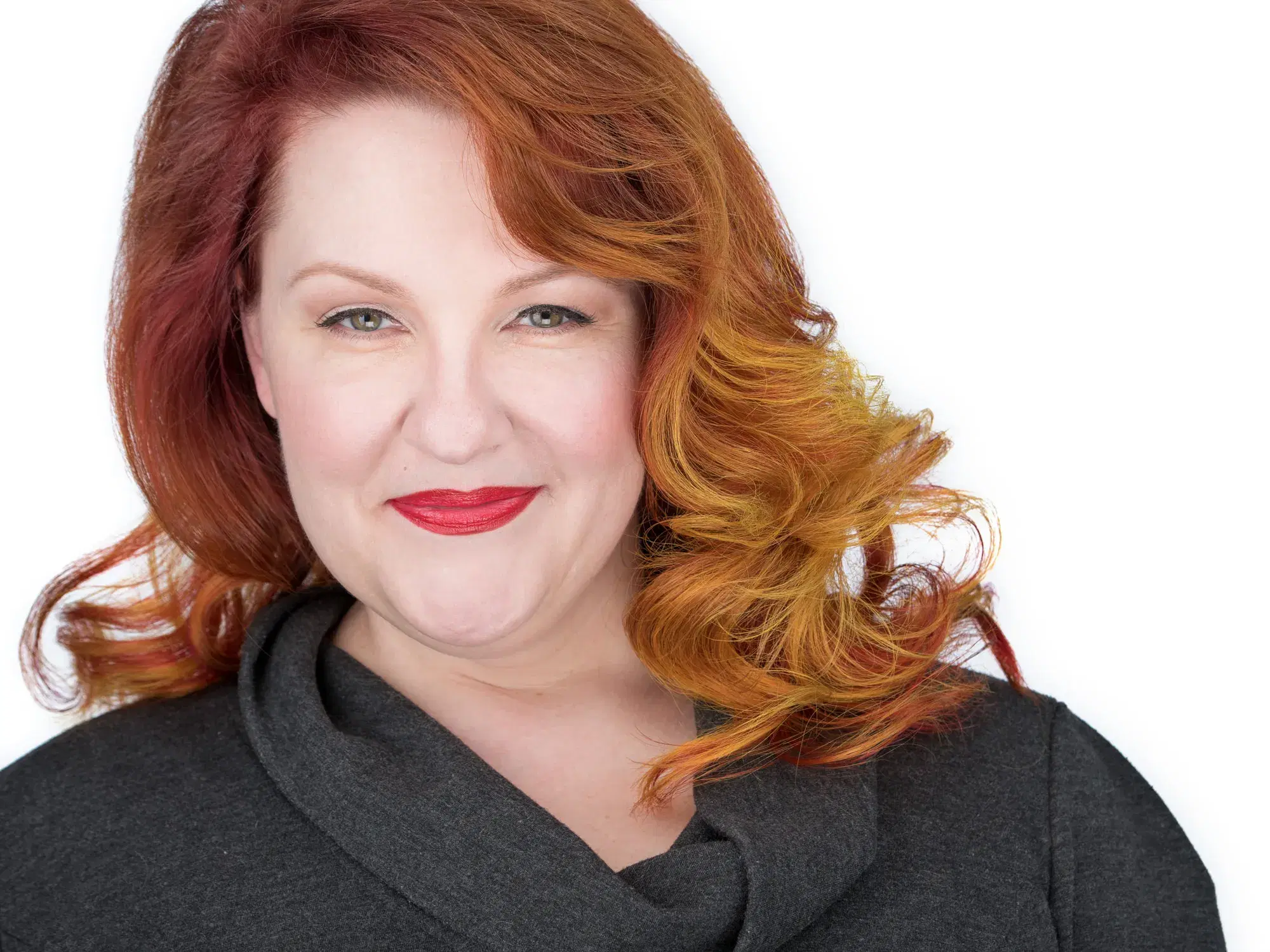
The Job of an Actor Headshot
A corporate headshot has one job: make you look like someone a client would trust. An actor headshot has a harder job: make a casting director believe they can see you in a role before you've walked through the door.
That distinction matters for everything: the expression, the framing, the wardrobe, the lighting. A great corporate headshot can be polished and neutral. A great actor headshot has to communicate something specific. It has to have a point of view.
It Starts With Type
Before we pick up a camera, the most important conversation is about type. What roles are you actually right for? What's your range? What do you want casting directors to see when they look at you?
This isn't about limiting yourself. It's about being strategic. A headshot that tries to communicate everything communicates nothing. The actors who get called in consistently tend to have headshots that are very clear about who they are. The range comes out in additional shots, in a portfolio, in the room. The headshot just has to get you in the door.
If you play the sardonic best friend, your headshot should read sardonic best friend. If you play the driven professional, it should read driven professional. A headshot that reads generic (pleasant, vague, noncommittal) gives casting directors no reason to pull your submission.
Expression Is Everything
The most common mistake actors make in headshots is performing. They think about what they should look like rather than actually feeling something. The result is an expression that's technically correct and emotionally empty, and casting directors can spot it immediately.
The best actor headshots feel like a moment caught rather than a pose held. There's something happening behind the eyes. The person in the photo is thinking something, feeling something, about to say something. That's what makes a casting director stop scrolling.
This is where coaching matters. I don't just point a camera and tell you to smile. I give you something to think about, something to respond to, something to play. We're doing real acting work during the session, and it shows in the images.
Wardrobe: Simple, Specific, You
The rule for actor headshot wardrobe is simpler than people expect: wear something that looks like you showed up to a callback, not a costume fitting. Solid colors, clean lines, nothing that competes with your face.
Color matters more than people realize. The right color brings out your eyes and skin tone. The wrong one washes you out or draws attention away from your expression. We look at everything before we shoot and choose what works best on camera, which is often different from what looks best in a mirror.
Avoid logos, busy patterns, and anything you'd only wear to a specific type of event. The wardrobe should support your type without announcing it. A subtle V-neck can read professional or casual depending on everything else in the frame. A graphic tee reads one way and one way only.
Lighting for Actors vs. Corporate Headshots
Actor headshots and corporate headshots call for different lighting approaches. Corporate headshots benefit from clean, even, flattering light that reduces distraction and projects competence. Actor headshots can, and often should, use slightly more directional light that creates depth, adds dimension to the face, and creates mood.
That doesn't mean dramatic lighting with heavy shadows. It means lighting that's slightly more alive than a flat corporate setup. The difference is subtle but it changes how the image reads: corporate headshots want you to look trustworthy, actor headshots want you to look interesting.
What Casting Directors Actually Do With Your Headshot
Understanding the submission process helps you think about what your headshot needs to do. When a casting director posts a breakdown and submissions come in, they're often looking at hundreds of photos at a time. The first pass is fast, a few seconds per image, sometimes less.
In that first pass, they're asking one question: does this person look right for this role? If the answer isn't immediately yes, your submission is done. The headshot doesn't need to do everything. It just needs to survive that first pass and earn a second look.
That's why clarity matters more than beauty. A technically imperfect headshot that clearly communicates type will outperform a technically flawless headshot that communicates nothing.
How Many Shots Do You Need?
Most working actors maintain two to four headshots representing different types or emotional ranges. A commercial look and a theatrical look at minimum. If you're actively pursuing multiple genres (drama, comedy, film, stage), additional shots give you more flexibility.
You don't need all of them from a single session. Start with your primary type and your strongest range. Add shots as your career develops and your type becomes clearer. The worst thing you can do is spend a lot of money on a large portfolio before you've established what you're actually being called in for.
The Boston and Cambridge Market
The Boston-Cambridge actor market is smaller than New York or LA but more active than most people outside it realize. The A.R.T. at Harvard, Central Square Theater, Speakeasy Stage, Lyric Stage, ImprovBoston: there's a real professional theater community here, and it has real casting directors with real standards.
Boston actors also get considered for film and TV projects that shoot in Massachusetts, which happens regularly given the state's production incentives. Your headshot needs to meet the same standard as what casting directors in New York and LA see every day, because increasingly, they're seeing submissions from Boston actors alongside everyone else.
I specialize in actor headshots from my studio in Sherborn, convenient to actors in Boston, Cambridge and Somerville. Every session includes active coaching, and we do real acting work together, not just posing.
Ready to get a headshot you're actually proud of?
Book Your Session