Your Kid Wants to Act. Now What?
Your child came home from the school play buzzing. Or they've been doing community theater for a year and their director says they've got something. Or maybe they told you, out of nowhere, that they want to be on TV. Whatever sparked it, you're now Googling 'child actor headshots' and trying to figure out what's legitimate and what's a waste of money.
This guide is for you, the parent making the decisions. Not the stage-parent caricature, but the real parent trying to support their kid's interest without getting taken for a ride. Here's what you actually need to know.
Does Your Child Actually Need Professional Headshots?
It depends on their age and what they're submitting for.
Under 5: Probably not yet. Babies and toddlers change so fast that professional headshots become outdated in weeks. Most agencies, including Boston-area agencies like Maggie Inc., accept well-lit smartphone photos for this age range. Save your money.
Ages 5-7: This is when professional headshots start to matter. Your child is old enough to audition for scripted roles in theater, commercials and film. Casting directors at this level expect a professional photo, not a cropped family portrait.
Ages 8-12: Professional headshots are essential if your child is actively auditioning. The competition gets real at this age, and a strong headshot is the first filter.
Teens (13-17): Treat this the same as adult headshots. Teens submitting through Actors Access or to agencies need industry-standard photos that hold up against professional competition.
The honest answer, and I'll tell every parent this, is that if your child is under 5, you're better off spending that money on acting classes. A professional headshot for a 3-year-old is outdated before the invoice clears.
What Casting Directors Want to See
Everything I said in my post about what casting directors actually want applies to kids, just amplified. Casting directors for children are even more focused on authenticity.
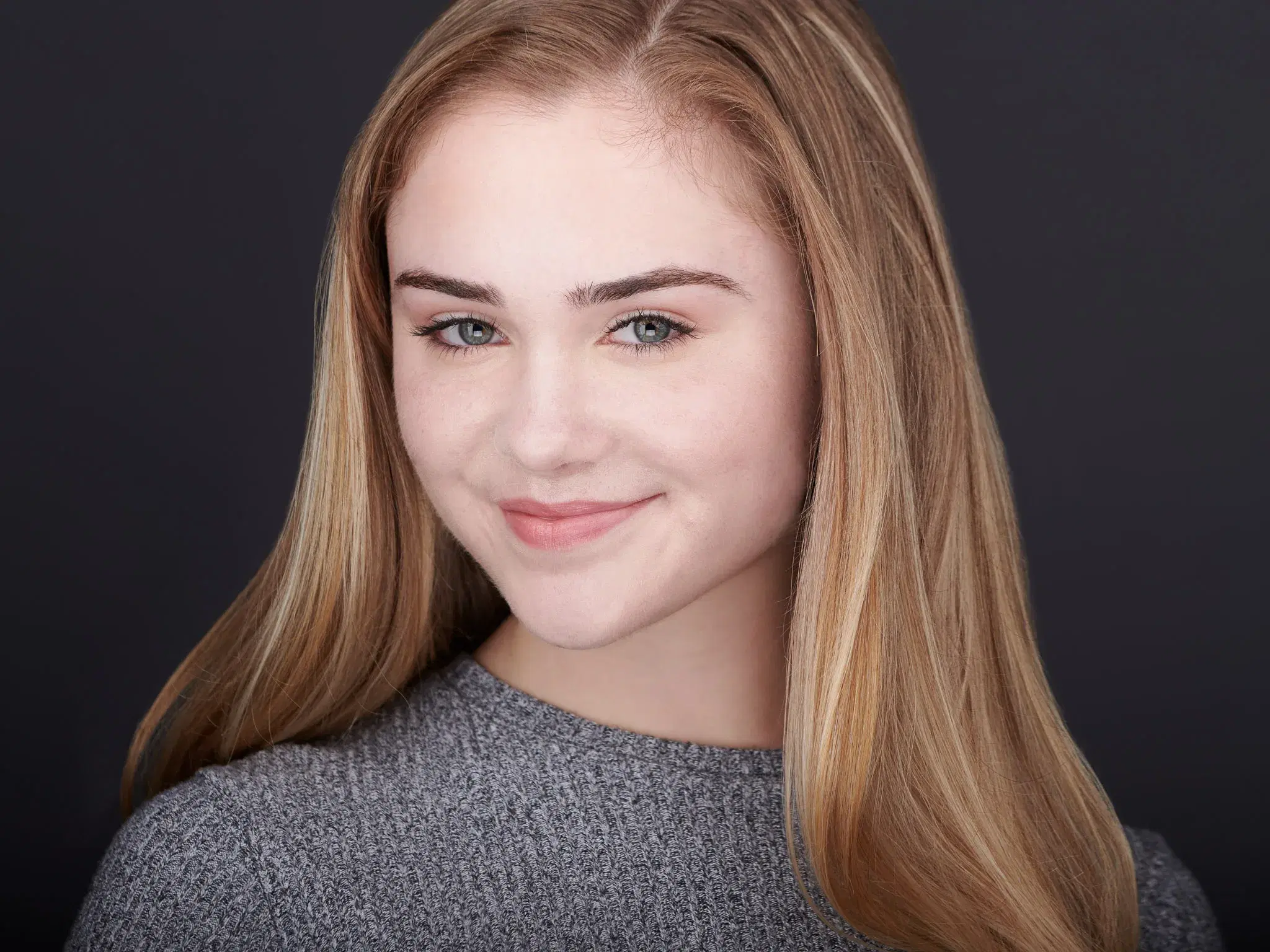
They want to see the real child. Not a glamorized version, not a mini-adult, not a kid who's been styled within an inch of their life. They want the freckles, the gap-toothed grin, the slightly wild hair. Those aren't flaws. They're the features that make your child castable for specific roles.
The casting industry term is 'type.' Is your child the mischievous best friend? The shy kid in the corner? The confident class president? A great headshot communicates that type instantly, because casting directors are scrolling through hundreds of thumbnails and spending three seconds on each one.
Over-produced kid headshots actually hurt. When a casting director sees heavy retouching on a child's photo, the first thought isn't 'this kid looks great.' It's 'the parents don't understand the industry.' That's not the impression you want to make.
How Kid Headshots Differ from Adult Headshots
The technical approach is different in several important ways.
Minimal retouching. Fix a temporary scratch or a stray hair, and stop there. Freckles stay. Missing teeth stay. Braces stay. Casting directors need to see what your child looks like today, not an idealized version.
Shorter sessions. Adults can sustain 45-60 minutes of focused shooting. A child under 8 has maybe 20-30 minutes of genuine engagement. An experienced photographer front-loads the best work, watches for fatigue, and knows when to take a break or wrap up. Pushing through a tired child produces tired photos.
Natural expressions over poses. I don't put kids in rigid poses. We talk, we play a game, I tell a terrible joke, and I shoot while they're being themselves. The best kid headshots happen between the poses, not during them.
One great shot often covers everything. Adults typically need separate commercial and theatrical headshots. For children under 12, one natural, personality-forward image usually works across the board. For teens, two looks start to matter: a warm commercial shot and a more grounded theatrical one.
How to Prepare Your Child (and Yourself)
The session will go better if your child knows what to expect and feels zero pressure about the outcome.
Practice at home, but keep it fun. Spend a few minutes in front of a mirror making faces together. Not rehearsing poses, just getting comfortable being looked at. Make it silly.
Bring 3-4 outfit options in solid colors. No logos, no busy patterns, no white (it blows out in thumbnails). Blues, greens, burgundy and soft earth tones photograph best on kids. Bring what your child actually wears, and if they'd never wear a blazer to an audition, don't bring one.
Avoid new haircuts right before the session. Go 1-2 weeks prior so it looks natural, not fresh-from-the-barber.
Feed your child before the session. Hungry kids are cranky kids, and cranky kids don't produce good headshots.
Bring snacks and a comfort item for breaks. A favorite small toy or stuffed animal can help younger kids reset between setups.
Don't coach from behind the camera. This is the single most important thing I tell parents. When a child is trying to listen to the photographer and their parent simultaneously, they freeze up. Let me direct. That's what you're paying me for. Your job is to be a calm, encouraging presence in the room.
And if your child doesn't want to do it that day? We stop. No tears, no pressure, no wasted money. We reschedule for a day when they're feeling it. A forced headshot is a bad headshot.
Should You Be in the Room?
Yes. Always. For any child under 12, the parent should be present in the studio. Period. Any photographer who insists otherwise is a red flag.
For teens, it depends on the individual. Some teens relax and open up more when their parent steps into the next room. Others want the support. I follow the teen's lead and the parent's comfort level.
When you are in the room, the best thing you can do is be quiet, calm and positive. Scroll your phone. Read a book. Smile when they look at you. Save the feedback and the 'tilt your head' directions for later, or better yet, let me handle them.
How Often Do Kids Need New Headshots?
More often than you might expect.
Children under 12: Every 6-12 months. Kids lose teeth, grow inches, change hairstyles, and shift from 'cute kid' to 'tween' faster than you think. A headshot that doesn't match the child who walks into the audition room wastes everyone's time: yours, the casting director's and your child's.
Teens: Every 1-2 years, unless there's a major appearance change.
I photograph many of my young clients annually as they grow. By the second or third session, I already know what makes them light up, what makes them giggle, and how to get their best expressions quickly. The sessions get easier and better over time. It's a relationship, not a transaction.
The Boston Youth Acting Scene
If your child is performing in the greater Boston area, there's a strong ecosystem of programs, companies and casting opportunities to be aware of.
On the theater side: Boston Children's Theatre, Wheelock Family Theatre at BU, youth programs at the Huntington Theatre Company, Reagle Music Theatre in Waltham, North Shore Music Theatre's junior company in Beverly, and The Umbrella Arts Center in Concord all offer youth performance opportunities.
For commercial and film work: Boston Casting runs regular open calls for children, and CP Casting (Carolyn Pickman) frequently casts kids for productions shooting in Massachusetts. The state's film tax incentives have brought increased production to the area, which means more local casting opportunities.
Local agencies like Maggie Inc. represent child talent and have specific headshot requirements for submissions. A professional, industry-standard headshot is the minimum price of entry.
Red Flags When Choosing a Photographer
I want to be direct about this, because protecting your child is more important than landing a booking.
They insist the parent leave the room. Non-negotiable. Walk away.
They promise your child will 'get signed' or 'book work.' No legitimate photographer makes this claim. A great headshot opens doors. It doesn't guarantee anything.
They pressure you into expensive packages upfront before you've seen a single image. Transparent pricing, where what you see is what you pay, is a sign of a professional operation.
Their sample work shows heavy retouching on kids. If the children in their portfolio look airbrushed, find someone else.
They don't engage directly with your child. A good photographer talks to your kid, learns their name, asks what they're into. If they're only talking to you, the session won't produce authentic expressions.
What It Costs
My sessions are $395 and include one fully retouched image. Additional images are $125 each. That's the same price whether the client is 8 or 48. The coaching, lighting and attention to detail are identical.
For child actors who need updated headshots annually, many parents find that one session per year with 2-3 final images covers everything their agent and casting submissions require.
For full pricing details and to book, visit my actor headshot pricing page.
The Bottom Line
Your child's headshot should look like your child on a good day, well-lit, with a genuine expression. Not a mini-adult, not a glamour shot, not an over-retouched version that doesn't match who walks through the audition door.
If your child loves performing and wants to pursue it, a professional headshot is a worthwhile investment. If you're not sure yet, start with classes and community theater. The headshot will be there when they're ready.
I photograph young actors at my studio in Sherborn, MA, about 30 minutes from Boston and Cambridge. Parents are always welcome in the studio. If your child has a meltdown, we stop, and there's no charge for a reschedule. That's how it should work.
Ready to get a headshot you're actually proud of?
Book Your Child's Session